How to Batch Cocktails for a Crowd (Without Watering Them Down)
You batch cocktails for a crowd by keeping ice and fizz out of the bottle, adding plain water only when the glass will not dilute the drink for you, and pouring a measured amount over fresh ice. That is the whole defence against a watery jug. A batch is a recipe multiplied by a pen, not a bowl you top up until it looks like enough. I write the volumes down, I label the bottle, and I taste it before anyone else does. Charm is not a measuring tool. Related: nailing your measurements, why ice size matters, how to host a cocktail night, and for Christmas-ready batches Batch These Christmas Cocktails Tonight.
What never goes in the bottle
Ice never goes in the bottle. It melts, and it does not melt evenly. The first pour is close to the spec. The sixth pour is a softer, wetter drink, and you cannot point to the moment it changed. Keep the bottle cold in the fridge and put fresh ice in each glass. That way every serve starts from the same liquid. For more on ice behaviour, see Ice Matters.
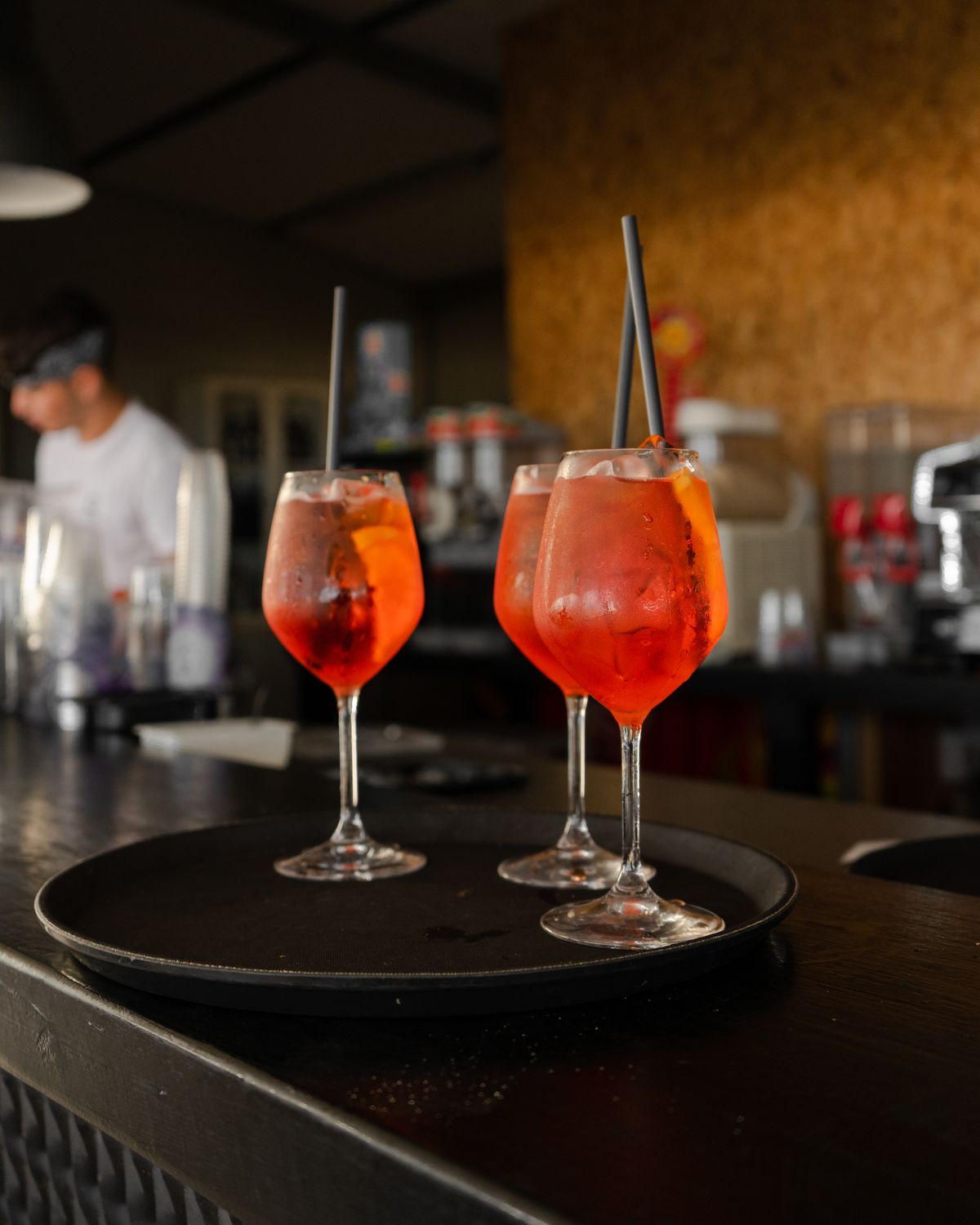
Carbonation never goes in the bottle either. Soda, tonic and sparkling wine belong in the glass, at the last second. A sealed fizzy cocktail is a fountain when you open it, and a flat one if you are careful enough to avoid the fountain. Batch the still parts. Top each drink. If you want a spritz for eight, bottle the spirit and the bitter liqueur, then add the bubbles per glass. Related spritz ideas live in Springtime Spritzes.
When to add water, and when not to
A stirred drink served from a bottle will not get the stirring it would have had in a mixing glass. That missing melt is about 20 percent of the batch volume before you add the water. I add cold water, still, not sparkling, and I stir it in once so the bottle is one drink, not two layers. Taste it. If it tastes hot and tight, it wants that water. If it tastes limp, you added too much and you cannot take it back, which is why I measure the water with a jigger or a marked jug rather than a mug. Technique notes: Stirred or Shaken?.
Shaken drinks with citrus are a different case. They are usually poured over ice, so the glass does the diluting. I skip the water in those bottles. If you were planning to serve a citrus drink straight up, with no ice in the glass, you would add about 25 percent water, because a proper shake would have melted that in. Pouring over ice is simpler and harder to get wrong. Do not do both. Water in the bottle plus a long sit on wet ice is how a good spec becomes a cordial. Shaking guidance is in Shake It Like a Pro.
Worked examples
These are full-strength serves. Scale them carefully and label the bottle with the date and the recipe. For festive versions of these ideas see the Christmas cocktail posts and The Only Christmas Cocktail Bar Checklist You Need Before December.
Batched Negroni (8 serves)
- 240 ml gin
- 240 ml Campari
- 240 ml sweet vermouth
- 140 ml cold water
Stir once, bottle, and fridge. Total volume is 860 ml. Pour 105–108 ml over a large cube. The water is already included in that pour quantity. No ice in the bottle. See the full Negroni notes in The Negroni Diaries.
Batched Margarita (8 serves)
- 480 ml tequila
- 200 ml fresh lime juice
- 160 ml orange liqueur
No water in the bottle. Total volume is 840 ml. Shake individual serves or pour about 105 ml over ice. Related: Margarita Showdown.
Batched Old Fashioned base (6 serves)
- 360 ml bourbon or rye
- 30 ml demerara syrup (1:1)
- 12 dashes bitters
- 72 ml cold water
Stir once, bottle, and fridge. Total volume is 462 ml. Pour 77 ml over a large cube and finish with orange peel. The 72 ml of water is already included in that 77 ml pour quantity; it replaces the dilution that stirring with ice would have provided. Do not add more water in the glass. For a spiced Christmas version see the recipes in 5 Easy Christmas Cocktails.
Scaling table for common drinks
Use this as a starting point. The water figures below are already included in the final pour volume for each drink. Always taste the batch before serving.
| Drink | 4 guests | 6 guests | 8 guests | 12 guests |
|---|---|---|---|---|
| Negroni (30/30/30 + water) | 120/120/120 ml + 70 ml water | 180/180/180 + 105 ml water | 240/240/240 + 140 ml water | 360/360/360 + 210 ml water |
| Margarita (60/25/20, no water in bottle) | 240 ml tequila, 100 ml lime, 80 ml triple sec | 360 / 150 / 120 | 480 / 200 / 160 | 720 / 300 / 240 |
| Old Fashioned base (60 ml spirit + 5 ml syrup + 2 dashes + 12 ml water) | 240 ml spirit, 20 ml syrup, 8 dashes, 48 ml water | 360 ml spirit, 30 ml syrup, 12 dashes, 72 ml water | 480 ml spirit, 40 ml syrup, 16 dashes, 96 ml water | 720 ml spirit, 60 ml syrup, 24 dashes, 144 ml water |
For the Old Fashioned, the water is included in the final pour. A 6-serve batch totals 462 ml; each 77 ml pour already contains its share of the 72 ml water. The same principle applies to the Negroni rows.
Printable shopping list (example for 8 Negronis + 8 Margaritas)
- 480 ml gin
- 480 ml Campari
- 480 ml sweet vermouth
- 480 ml tequila
- 200 ml fresh lime juice (about 8–10 limes)
- 160 ml orange liqueur
- Large ice cubes or trays
- Orange peels for garnish
- Optional: salt for margarita rims
Preparation timetable
- Day before: Juice citrus if making margaritas; bottle the still components for Negroni and Old Fashioned; refrigerate vermouth and citrus.
- Morning of: Check bottles; make any syrups needed; chill mixing glasses and serving glasses if possible.
- 1–2 hours before guests: Set up ice trays or buy ice; prepare garnish tray (peels, olives, herbs); label bottles with pour size.
- 30 minutes before: Place bottles on the bar with a jigger; put ice bucket and water jug nearby.
- Service: Pour measured amounts over fresh ice; add garnish at the glass; top with soda or sparkling only when serving.
What goes wrong
Ice left in the bottle overnight is the most common failure. The first pour is close. Later pours are watery and you cannot fix them. Carbonation in the bottle is the second. It either fountains or goes flat. Guessing the water instead of measuring it is the third. Taste before you scale up, and correct the next batch, not this one in a panic. Tools that help are covered in Behind the Bar: Must-Have Tools.
Label the bottle with the recipe and the date. Citrus juice is best within a day. Sweet vermouth fades once open — keep it in the fridge. These are full-strength serves for adults of legal drinking age. One is a drink, not a starter. If you are driving, pregnant, or on medication, skip the alcohol.
Hosting notes
Set the bottles out with a jigger or marked pourer if people are helping themselves. Put a water jug and ice bucket nearby so no one feels they have to finish a drink they do not want. Pre-batch the still components the day before if the recipe allows, but add citrus fresh. For the full hosting setup, see How to Host a Cocktail Night They’ll Never Forget and DIY Garnish Bar.