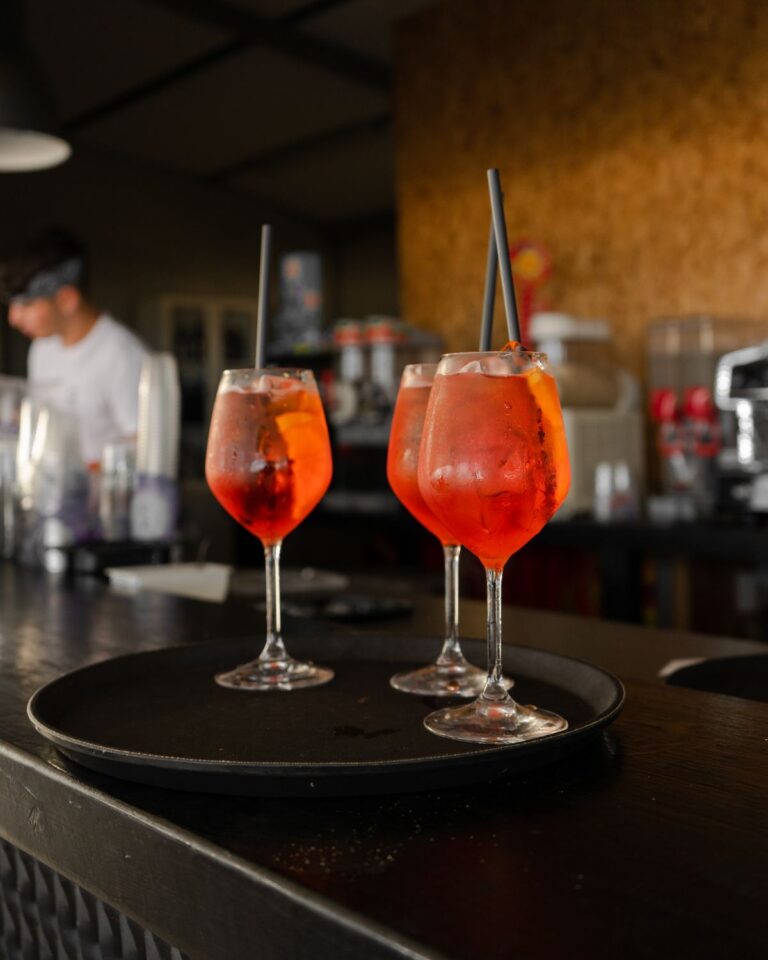
DIY Garnish Bar: Make Guests Feel Fancy

There’s a certain magic in letting guests customize their own drinks. A DIY Garnish Bar: Make Guests Feel Fancy is about elevating any cocktail gathering by giving friends the freedom to add a touch of flair, flavor, and personality to their beverages. It’s not just about aesthetics—it’s about engagement, creativity, and transforming an ordinary drink into a memorable experience. Related: how to host a cocktail night, Garnish Goals, signature party drinks, and for Christmas prep The Only Christmas Cocktail Bar Checklist You Need Before December.
I’ve found that a well-curated garnish bar changes the energy of a party. Guests linger around it, discussing flavor combinations, sharing ideas, and admiring the visual appeal of each other’s creations. When garnishes are thoughtfully arranged, the bar becomes a focal point, encouraging interaction, conversation, and playful experimentation. For festive cranberry and rosemary ideas see 5 Easy Christmas Cocktails and Batch These Christmas Cocktails Tonight.
Shopping List for a Garnish Bar (for 8–10 guests)
Buy what you will actually use that night. A short list that looks full is better than a fridge full of wilted extras.
- 6 lemons, 6 limes, 3 oranges
- 1 punnet strawberries, 1 punnet raspberries or blueberries
- 1 small pineapple or 1 mango (optional, for tropical drinks)
- 1 bunch mint, 1 bunch rosemary, a small bunch of basil or thyme
- Cinnamon sticks (about 10), star anise (a small jar), whole nutmeg
- Edible flowers (a small pack) or cocktail picks / skewers
- Caster sugar or demerara for rims, a little salt, optional coloured sugar
- Small bowls, tongs or spoons, cocktail picks, and a few clean jars or trays
How to Prepare the Garnishes
Do the prep in the afternoon so you are not chopping at the door.
- Citrus wheels and wedges: Wash the fruit. Slice lemons and limes into thin wheels (about 4 mm). Cut a few wedges for squeezing. Keep orange peels as long strips for twists. Store on a plate under a damp paper towel in the fridge.
- Citrus twists: Use a peeler or channel knife to cut long strips of orange or lemon peel. Twist them over a glass just before serving so the oils spray the drink. Do not leave pre-twisted peels sitting for hours — they dry out.
- Berries: Rinse and pat dry. Leave most whole; slice a few strawberries. Do not soak them.
- Herbs: Rinse and dry thoroughly. Pick mint leaves and leave rosemary and thyme as small sprigs. Lightly slap mint or rosemary between your palms just before it goes in a drink to release aroma. Do not muddle hard on the bar — it turns bitter and messy.
- Spices: Leave cinnamon sticks and star anise whole. Grate nutmeg over drinks at the last moment — a light dust is enough.
- Rims: Set out two small plates: one with a damp sponge or citrus wedge, one with sugar or salt. Guests rim the glass themselves. Keep salt and sugar separate.
- Timing: Cut fruit within two hours of the party if you can. If you need to prep earlier, keep everything covered and cold. Refresh the tray once halfway through the night.
Example Combinations
Put these on small cards or labels so guests have a starting point. For Christmas, add cranberries and rosemary as shown in the Christmas cocktail guides.
- Gin & tonic: Lime wheel + cucumber ribbon or rosemary sprig. Optional edible flower.
- Vodka soda / highball: Lemon wheel + mint sprig + a couple of berries.
- Rum punch or tropical highball: Pineapple wedge + lime + maraschino cherry or a mint sprig.
- Whiskey sour or old fashioned: Orange twist + optional cherry. A light nutmeg dust on the sour only.
- Sparkling wine spritz: Orange wheel or a single berry. Keep it light so the bubbles stay.
- Warm or spiced drink: Cinnamon stick + orange peel. Star anise looks good but is strong — one is enough for a whole mug.
One garnish per glass is usually enough. Two is a look. Three starts to bury the drink and make it hard to sip.
Planning Your DIY Garnish Bar
The first step in setting up a garnish bar is planning the types of garnishes to include. I usually categorize garnishes into four groups: fresh fruit, herbs, spices, and decorative elements. This ensures a balanced selection that appeals to both the taste buds and the eyes.
Fresh fruits like citrus slices, berries, apple or pear wedges, and tropical options like pineapple or mango add color, aroma, and flavor. Herbs such as mint, basil, rosemary, and thyme provide fragrance and complexity. Spices like cinnamon sticks, star anise, or nutmeg can enhance both aroma and taste, especially in seasonal cocktails. Decorative elements—edible flowers, sugared rims, colored sugar, or cocktail picks—make the bar feel indulgent and playful.
When I plan a garnish bar, I also consider the cocktails being served. Lighter, citrus-forward drinks pair beautifully with mint, citrus, and berries, while richer cocktails benefit from spices, chocolate shavings, or caramelized elements. The goal is to create harmony between the drinks and the garnishes while leaving room for guest creativity.
Choosing a Layout
Presentation matters. I like to organize garnishes in visually appealing trays, bowls, or glass jars. I often use tiered stands or varying heights to create depth and draw attention. Smaller spoons, tongs, or cocktail picks make it easy for guests to select garnishes without touching everything.
Labels are key. Simple, elegant tags indicating the garnish and suggested pairings help guests feel confident while experimenting. I sometimes include playful notes like “perfect with vodka spritz” or “pairs beautifully with rum punch” to spark ideas and encourage combinations.
Fresh Fruits That Pop
Fruits are the stars of any DIY garnish bar. I love using citrus slices—lemons, limes, oranges, and even blood oranges—for their color, fragrance, and tang. Berries, such as raspberries, blueberries, and strawberries, add pops of color and slight tartness that complement both spirits and mixers.
For tropical vibes, pineapple chunks, mango slices, and passion fruit seeds work beautifully. Guests can mix and match, creating combinations that reflect personal taste and aesthetic preferences. Frozen fruit also doubles as ice, chilling drinks without diluting them, which is a clever hack for warm-weather gatherings.
Herbs That Elevate
Fresh herbs instantly elevate a cocktail. Mint is classic and refreshing, but I love branching out with rosemary, basil, thyme, and even lavender. Lightly bruising leaves before placing them on the bar releases aroma and oils, enhancing both flavor and presentation.
Herbs also work beautifully as stirrers or skewers, providing functionality and visual appeal. A rosemary sprig in a gin-based cocktail, for example, adds elegance while infusing subtle flavor with each sip. Guests feel sophisticated when they add herbs, transforming a simple drink into something curated and thoughtful.
Spices and Aromatics
Spices are a game-changer for a DIY garnish bar. Cinnamon sticks, star anise, cloves, nutmeg, and allspice can be added to drinks, enhancing both aroma and depth. I sometimes offer spice mixes in small jars or tins, letting guests sprinkle lightly on creamy or warm cocktails.
Citrus zests, like orange or lemon twists, are another aromatic touch. Twisting zest over a drink releases oils that instantly enhance fragrance and create a professional, polished appearance. These small touches make guests feel like expert mixologists, even if it’s their first cocktail night.
Decorative Elements
Decorative garnishes bring the fun factor. Edible flowers, sugared rims, colored sugar, cocktail picks, and tiny skewers all make drinks feel special. These elements transform ordinary cocktails into Instagram-worthy creations, appealing to guests who enjoy visual creativity.
Seasonal or themed decorations can also enhance the atmosphere. For summer gatherings, tropical umbrellas, bright fruit picks, or flowers elevate drinks. For winter or holiday-themed parties, cinnamon sticks, star anise, or cranberries create festive flair. Decorative garnishes are the icing on the cake, making cocktails feel playful, thoughtful, and luxurious.
Interactive Experience
A DIY garnish bar encourages interaction. Guests linger, chat, and experiment, creating a lively, engaging atmosphere. I like to add small prompts or suggestions, such as “try mint with pineapple” or “a twist of orange for your gin.” This sparks curiosity and inspires combinations that might not occur to guests on their own.
Watching guests craft their drinks is one of my favorite parts of hosting. People often surprise themselves with flavor combinations, creating a sense of accomplishment and fun. The bar becomes a hub of creativity, conversation, and shared enjoyment.
Tips for Hosting
I always ensure the bar is replenished throughout the night. Fresh fruits can wilt or lose vibrancy, so having backups in the fridge keeps the presentation polished. Ice should be plentiful and accessible, and utensils should be sanitized or swapped out regularly.
Cleanliness matters. A tidy, well-organized garnish bar encourages use and makes guests feel comfortable exploring options. I like to include a small hand towel or napkins nearby for any spills, keeping the area neat without interrupting the flow of fun.
Lighting and placement also impact the experience. A garnish bar near the center of the room, with soft, flattering lighting, draws guests in. I often use small candles or string lights to add warmth, making the bar inviting and visually appealing.
Signature Cocktail Pairings
To elevate the DIY garnish experience, I often pair specific cocktails with recommended garnishes. For example:
- Citrus Vodka Spritz: Lemon wheels, orange twists, fresh mint, and blueberries.
- Rum Pineapple Punch: Pineapple chunks, lime wedges, maraschino cherries, and a splash of coconut syrup.
- Gin & Tonic: Cucumber ribbons, rosemary sprigs, lime twists, and edible flowers.
- Whiskey Sour: Orange zest, maraschino cherries, and a sprinkle of nutmeg.
Providing suggestions ensures guests feel guided while still allowing them to experiment and express their preferences.
Making It Memorable
The goal of a DIY garnish bar is to make guests feel fancy, engaged, and empowered. It transforms a standard cocktail night into an interactive, social, and creative experience. Guests remember the fun, the freedom to craft, and the beautiful, unique drinks they made.
Adding small touches—like cocktail recipe cards, themed napkins, or unique glassware—enhances the sense of occasion. Even if the ingredients are simple, the presentation and engagement create a lasting impression.
Conclusion
A DIY Garnish Bar: Make Guests Feel Fancy is about more than aesthetics—it’s about engagement, creativity, and crafting memorable moments. Fresh fruits, herbs, spices, and decorative elements provide guests with tools to personalize their cocktails, fostering interaction and playful experimentation.
Thoughtful layout, quality ingredients, and small guiding tips create a polished, accessible experience. Pairing garnishes with signature cocktails, providing utensils and ice, and maintaining cleanliness ensures the bar feels inviting and elegant. For Christmas dinner pairings that work with these garnishes, see Christmas Dinner Cocktails That Actually Work With Turkey and Ham.
Ultimately, a DIY garnish bar transforms a cocktail night into an event. Guests leave feeling creative, confident, and delighted by their personalized creations. By curating a bar that balances beauty, flavor, and accessibility, any host can make friends feel fancy, empowered, and inspired. It’s an interactive, memorable approach that turns ordinary cocktails into an unforgettable night of flavor, fun, and style.
These are full-strength serves for adults of legal drinking age. One is a drink, not a starter. If you are driving, pregnant, or on medication, skip the alcohol.