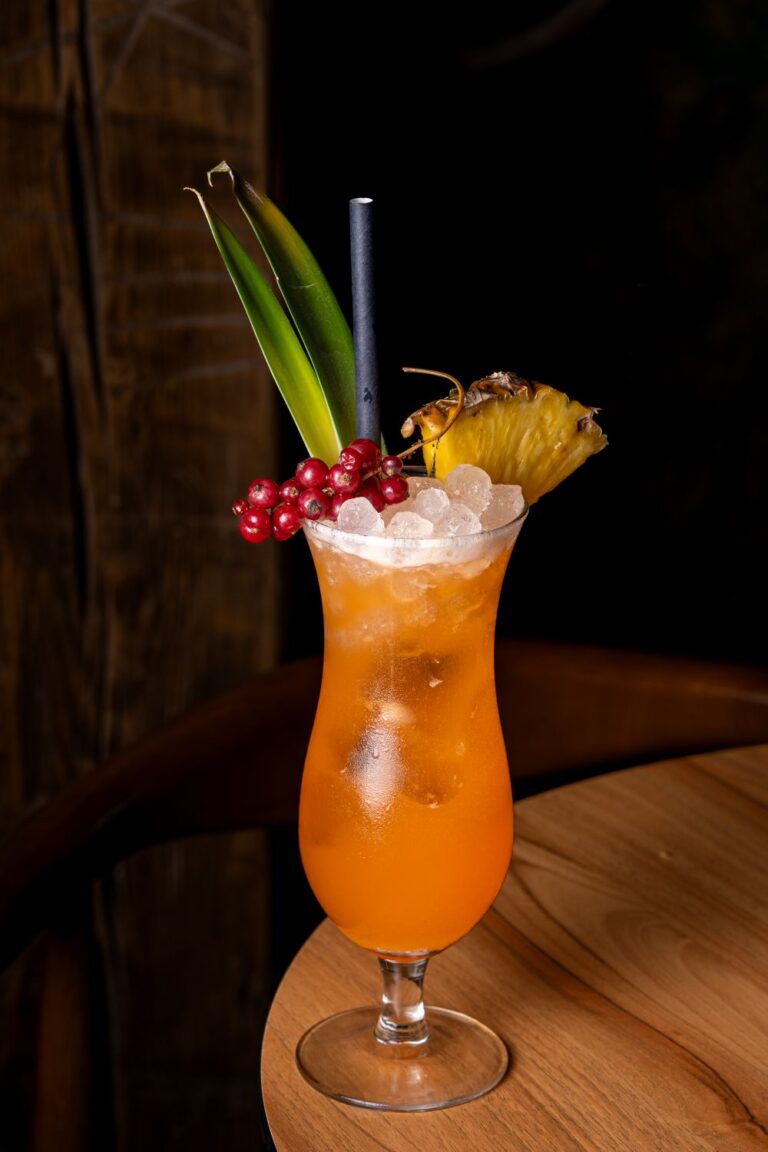
Springtime Spritzes to Make You Bloom

Springtime spritzes that make you bloom are still just spritzes, and the blooming is a joke. What I can actually hand you is three drinks with enough spirit or bitter liqueur to taste like a decision, not a juice glass with a splash of prosecco for the photograph. Elderflower and gin, a Lillet highball with a backbone, and a Campari spritz that does not hide. Lemon, mint, and one strawberry if the first punnet is worth it. That is the season. Peas are not a cocktail.
A spritz should be cold, bubbly and a bit bitter or a bit floral, and it should still have a measure you can point to. If the glass is mostly fruit juice, you have made something else. These three stay short of that mistake.
Elderflower, with the gin still visible
Elderflower liqueur is lovely and very keen to become the whole drink. I keep it at 15 ml and let gin do the talking. This is not a cordial with bubbles.
- 45 ml gin
- 15 ml elderflower liqueur
- 20 ml lemon juice
- 80 ml cold prosecco, to top
Shake the gin, liqueur and lemon with ice, strain over fresh ice in a wine glass, and add the prosecco. Eighty millilitres is about half a small flute, which is enough bubbles and not a bucket. Taste before you pour a round. Some elderflower bottles are sweeter than others. If yours drinks like syrup, drop it to 10 ml and do not compensate with more sugar. A lemon peel is plenty. Save the strawberry for the glass that wants a single berry on the rim, not a muddle.
Lillet, or Cocchi, with and without the gin
Lillet Blanc, or Cocchi Americano if that is what you have, is already a flavoured wine. It can carry a spritz-style highball, and a small measure of gin stops it tasting like a soft drink for adults who are only pretending. This is the spec I pour when I want it to count.
- 60 ml Lillet Blanc or Cocchi Americano
- 15 ml gin
- 10 ml lemon juice
- Cold soda, to top, over ice
Build it in the glass. Lillet and gin and lemon over ice, then soda, then a quick stir so you do not beat the bubbles to death. An orange peel helps Cocchi in particular. The lower-alcohol version is the same glass without the gin: 60 ml Lillet or Cocchi, 10 ml lemon, soda to top. Say that it is lower alcohol when you hand it over. It is still wine-based and it is still a drink, just not the same one. Do not top the gin version up with more Lillet until the spirit disappears. Sixty plus fifteen is the point.
Campari, gin, and a proper bitter spritz
If the afternoon needs a bitter line, Campari does it better than another glug of elderflower. The gin is only 20 ml here because Campari is already a strong flavour, and prosecco will stretch it. It is still not an afterthought.
- 45 ml Campari
- 20 ml gin
- Cold prosecco, to top
- A short splash of soda
- Orange peel
Campari and gin into a wine glass over ice, prosecco to a sensible level, then a splash of soda to lift it. Express the orange peel over the top. Do not skip the peel and then complain that it tastes one-note. The oil is the missing citrus, and you are not juicing an orange into this one. If someone finds Campari too stern, the elderflower glass is the other offer. Do not drown this one in lemonade to make it behave.
What the season is actually for
Lemons are the fruit that matter. Buy more than you think, because every one of these wants acidity and a sad spritz is usually just a sweet one. Mint is the herb, used as a sprig on the Lillet glass or a light clap over the elderflower so the oils land on the surface. If you want the longer case for not bruising it into sludge, that is why mint matters. One strawberry, ripe and hulled, sits on the elderflower rim if you are showing off. It is a garnish. It is not a syrup project, and it is not six berries muddled until the drink goes pink and sweet.
Keep prosecco and soda colder than the gin. Warm fizz is how a spring drink tastes like a waiting room. Build to order. A jug of prosecco mixed an hour ahead is a flat jug, however pretty the herbs look in it. Pre-squeeze a little lemon if you must, keep it covered, and add bubbles at the table.
I would offer two of the three, not a flight. Elderflower for the people who want floral, Campari for the people who want bitter, and the Lillet glass, with or without gin, for the person who wants something lighter and has said so. Ice in the wine glasses, water on the table, and the first round poured before you start explaining the season. Spring does not need a speech. It needs a cold drink with a measure you can defend.
These are full-strength serves for adults of legal drinking age. One is a drink, not a starter. If you are driving, pregnant, or on medication, skip the alcohol.
A gin and grapefruit spritz with the spirit at 60 ml
The three spritzes above keep the strong flavours in check: elderflower at 15 ml, Campari out in front, Lillet carrying its own glass. This one is the plain alternative when you have gin, a grapefruit, and cold soda, and you still want the pour to taste like a decision. Grapefruit juice on its own is wide and a little sweet, even when it is fresh, so the lemon is there to put a clean edge on it. There is no elderflower in this spec. Adding it would turn the drink into the first recipe with a different juice, and the gin would vanish under the perfume.
- 60 ml dry gin
- 45 ml fresh grapefruit juice, the pale yellow kind if you can get it
- 15 ml fresh lemon juice
- 10 ml 1:1 simple syrup
- Cold soda water, to top, over ice
- A wide strip of grapefruit peel
Build it in a wine glass. Gin, grapefruit, lemon and syrup over a full glass of ice, then soda to a sensible level, then one gentle lift with a bar spoon so you mix without beating the gas out. Express the grapefruit peel over the top and drop it in. Sixty millilitres of gin is a full single serve, stretched by juice and soda, not hidden. If the glass tastes like a fruit cooler, you either short-poured the gin or you let the soda run until the ice was swimming in a pale pink nothing. Stop the soda while the drink is still sharp.
Use a dry gin. A sweet or heavily floral gin plus grapefruit plus 10 ml of syrup tastes like cordial. Pink grapefruit juice is fine if that is the fruit you have, and it will be a little sweeter and more bitter in the pith sense, so keep the syrup at 10 ml and do not add a second sweetener because the colour looks festive. Bottled grapefruit juice varies from fresh and bitter to cooked and dull. Taste it before it goes in. If it tastes of tinned sweets, it will not become a spring drink just because the glass is tall. Juice the fruit, strain out the pips, and accept that you need more than one grapefruit if you are pouring for more than two people.
Six Lillet glasses, soda at the table
The Lillet highball with the 15 ml of gin is the one I batch when I know the first round is coming at once. I mix the still parts, I do not mix the soda, and I do not let it sit in the sun while I find mint.
- 360 ml Lillet Blanc or Cocchi Americano
- 90 ml gin
- 60 ml fresh lemon juice
That is six of the backbone spec: 60 ml Lillet or Cocchi, 15 ml gin, 10 ml lemon. Keep the jug in the fridge. For one glass, pour 85 ml of the mix over fresh ice and top with cold soda. The 85 ml is 60 plus 15 plus 10. An orange peel still belongs on the Cocchi version. Say what is in the glass. This batch includes the gin. The lower-alcohol serve from the top of the page is a different jug: 60 ml Lillet or Cocchi and 10 ml lemon, no gin, soda at the table, and you tell the person that is what they are getting. Do not quietly pour the gin batch for someone who asked for the lighter one, and do not top the gin batch up with extra Lillet until the 15 ml disappears. The gin is the backbone. It is supposed to be there.
What goes wrong
The grapefruit spritz goes wrong when the 60 ml of gin is treated as optional because the glass is tall. A splash of gin in a tumbler of juice is not this drink. It also goes wrong when strawberries get muddled into it because there is a punnet on the board. One berry on the elderflower rim, as above, is a garnish. Six berries crushed into gin and grapefruit make a sweet pink sludge and a sticky spoon. Peas, herbs from a salad bowl, and cucumber water all belong with lunch, not in this shaker. You do not need a shaker for this one anyway. Building on ice keeps the soda alive.
Prosecco goes wrong when it is warm, or when a jug of it was mixed an hour ago and is now a flat, pretty failure with wilted mint. Open it cold, pour it cold, and only into the elderflower glass or the Campari glass that actually wants it. This grapefruit drink takes soda, not sparkling wine. Two fizzy ingredients plus juice is how the sugar creeps up without you noticing. Campari goes wrong when it is “softened” with lemonade. Offer the elderflower spritz instead. One glass is a drink. A flight of all four, this one included, is a stunt, not a spring afternoon.