Autumn Cocktail Prep: Pantry, Ice and Backup Bottle

The five-minute autumn setup is a pantry, ice from yesterday, and one backup round already in the fridge. It is not five recipes. If you want the individual shaken drinks, they live in the five-minute autumn recipes, and you should make them from that page rather than from memory while a guest is holding an empty glass. What this piece is for is the half hour, done the day before, that makes those fast drinks possible, plus a single bottle you can pour when you cannot be bothered to shake.
Autumn cocktails go wrong in the same dull ways. No ice, a lemon that has given up, maple still in the cupboard with the lid glued shut, and a host inventing a new drink at the door. Set the station once. Then five minutes means five minutes.
What to buy, and what each thing is for
The shopping list is short, and I am not turning it into a second menu. Buy bourbon, lemons, maple syrup, a bottle of cider, Angostura bitters, and one orange. Bourbon is the spirit for the backup bottle below, and it is the spirit those faster shaken drinks keep reaching for. Lemons are the acid. Maple is the sweetener that tastes like autumn without requiring a spice rack. Cider is for the drinks you build that evening from the other page, not for leaving open in a pre-batch, because it goes flat and throws every measure off. Angostura is the bitter note you will want in more than one glass. One orange gives you peel for aroma. You do not need a fruit bowl to look seasonal.
Ice, made the day before
Five minutes is a lie if you are standing at the freezer door while a tray finally freezes. Make the ice the day before. Fill a tray of large cubes for the old fashioned, and a tray or a bag of ordinary cubes for shaking. If your freezer is small, buy a bag as well and clear a shelf for it.
A big cube matters for the backup round because you are pouring a drink that is already diluted. The cube is there to keep it cold and to look like the drink you meant, not to melt a desert of water into bourbon. If you only have ordinary cubes, use one or two and drink it before they disappear. Do not fill the glass.
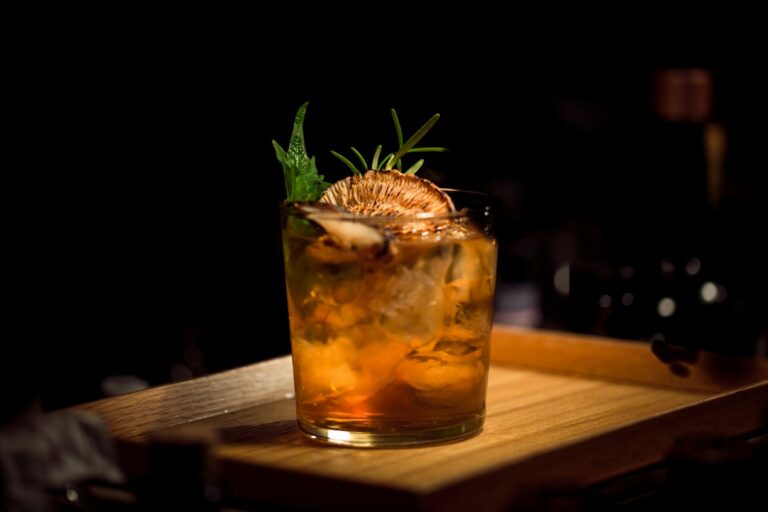
The backup round: six apple-maple old fashioneds
This is the only recipe on this page. It is a fridge bottle for six, stirred in advance, so the rescue round is a pour rather than a project. The maple carries the orchard sweetness. I am not putting cider in the bottle. Apple in the name is the flavour the maple is doing, and the cider stays sealed until you make something from the other list that actually calls for it.
- 360 ml bourbon
- 60 ml maple syrup
- 12 dashes Angostura bitters
- 80 ml cold water
Stir it in a jug until the maple has disappeared into the whiskey, then funnel it into a clean bottle and fridge it. The water is dilution you would otherwise wait for from the cube, and it is why the drink is ready when it hits the glass. Pour 80 ml over one big cube. Six pours of 80 ml are 480 ml. The bottle holds 500 ml plus the bitters, so you will have a small splash left for the person who started cooking. That is a feature. Do not top the bottle up with more bourbon and pretend the ratio survived.
Taste a spoon before you bottle it. Maple varies. If it is clumsily sweet, you can add 20 ml of water and accept slightly shorter flavour, or you can leave it and pour 70 ml for a firmer glass. Write the choice on a bit of tape on the bottle. Future you, at the end of a loud evening, will not remember which you decided. Bitters at 12 dashes sounds fussy and is not. Two dashes in each of six drinks is the same instruction, and it is easier to count into the jug once.
How the five minutes actually go
On the night, the lemon is on the board, the cider is cold, the orange is within reach of a peeler, and the backup bottle is in the door of the fridge. If someone wants a shaken drink, you are looking up the spec you already trust and you are not inventing a fifth combination out of whatever is nearest the hob. If you do not want to shake at all, you pour the old fashioned and you get on with the room. Both are successful. Panic-measuring maple over a warm glass is not.
Keep Angostura next to the bottle, not in a drawer. Keep a jigger in the same place every time, even for a drink you have batched, because the 80 ml pour is a measure and a sloppy free pour will empty the bottle on guest four. A strip of orange peel, twisted over the cube, is the only garnish I bother with.
If you are pouring for more than six, or you want the longer version of why that 80 ml of water is in the bottle, use the same sums I use for a crowd in how to batch cocktails. Scale the bourbon, the maple, the bitters and the water together. Do not scale by adding cider to make the jug look fuller. The setup is done when the ice exists, the six bottles-worth of thinking is one bottle, and you can find a lemon in the dark. That is autumn, sorted, without a second round of recipes.
What the 80 ml pour actually contains
Read the backup bottle as six drinks that happen to share a vessel. Each pour of 80 ml is 60 ml bourbon, 10 ml maple, two dashes of Angostura and about 13 ml of the water you stirred in. The 360 ml of bourbon, the 60 ml of maple, the 12 dashes and the 80 ml of water are those numbers times six, with a little rounding in the water. The 60 ml is the house pour of spirit. If the bottle tastes light, do not add another 60 ml of bourbon and call it improved. You have changed every remaining pour, and the 10 ml of maple written for 60 ml of whiskey is now written for something nearer 70. Write a new label or leave it alone.
Cold maple into cold bourbon can sit in a ribbon. Stir for a full minute, until a spoon comes up clean, before you add the 80 ml of water. Add the water first to help, and you can trap a pocket of maple: the first pour is dessert and the last pour is dry whiskey. Twelve dashes means a short hit from the bottle, counted. Upend the bitters and count to twelve slowly and you may have doubled the clove. The cube is not there to dilute a drink you forgot to dilute. You already put the water in. A 5 cm cube in a cool room might give up 8 ml in fifteen minutes, which is why 80 ml over one cube stays a bourbon drink. Three small cubes can give up 20 ml in that time, and the last half tastes of thin maple. If you only have small cubes, pour 70 ml and drink it. Do not shake this pour to wake it up. Ten seconds on a pre-diluted old fashioned can add another 25 ml and a foam it never asked for.
What goes wrong when the door goes
Cider in the bottle, even 100 ml to make it autumnal, flattens overnight and buries the 60 ml of bourbon under apple that has lost its sparkle. An extra 30 ml of maple because the first guest has a sweet tooth takes every remaining drink from 10 ml of maple toward 15 ml, and you cannot scoop it out. Leave the 80 ml of water out because you want it stronger, and the cube dilutes badly and unevenly. Guest four gets a sweeter, wetter glass than guest one.
Large cubes want a day, not a two-hour gap. Soft ice melts faster, which is the problem you batched to avoid. A freezer jammed with warm shopping will not freeze a tray because you asked. And do not keep the bottle in the fridge door if you are opening that door every four minutes. A warm 80 ml over ice races through the melt, and five minutes later you are drinking 95 ml of something dull. One 80 ml pour is one drink. The splash left in the bottle is not a starter.
These are full-strength serves for adults of legal drinking age. One is a drink, not a starter. If you are driving, pregnant, or on medication, skip the alcohol.