How to Build the Perfect Home Bar Cart

Question this page answers: How do I set up a home bar cart that actually works for the drinks I make, including budgets, small-space options, storage, and example layouts for beginners versus experienced bartenders?
A useful bar cart keeps the tools and bottles you use most within reach. It does not need to look like a hotel lobby.
How this differs from other guides:
- This page: Layout, budgets, small-space options, storage and example carts.
- Best Bar Tools Under £30: Specific products with published specs and sources.
- Behind the Bar: How to use the tools correctly.
- Starter Pack: Shortest list of tools + spirits + five recipes to begin.
- Bar Cart Mistakes: Friction and habit fixes only.
Disclosure: As an Amazon Associate I earn from qualifying purchases. Links below are affiliate links. Prices were approximate on Amazon UK in November 2026 and will change. Check the product page before buying. I have not personally tested every item.
Budgets
| Level | Budget (tools + basic bottles) | What you get |
|---|---|---|
| Starter | £50–80 | Jigger, Boston shaker, Hawthorne strainer, bar spoon, Y-peeler, one spirit, syrup, citrus. Makes sours and highballs. |
| Everyday | £120–180 | Above plus mixing glass, fine strainer, two more spirits, vermouth, bitters. Covers most classics. |
| Expanded | £250+ | Above plus second cart or wall shelf, larger ice trays, more modifiers. For people who host often. |
Prices are approximate UK retail as of late 2026 and will vary. Individual tool specs are in the tools guide.
Core tools (affiliate links)
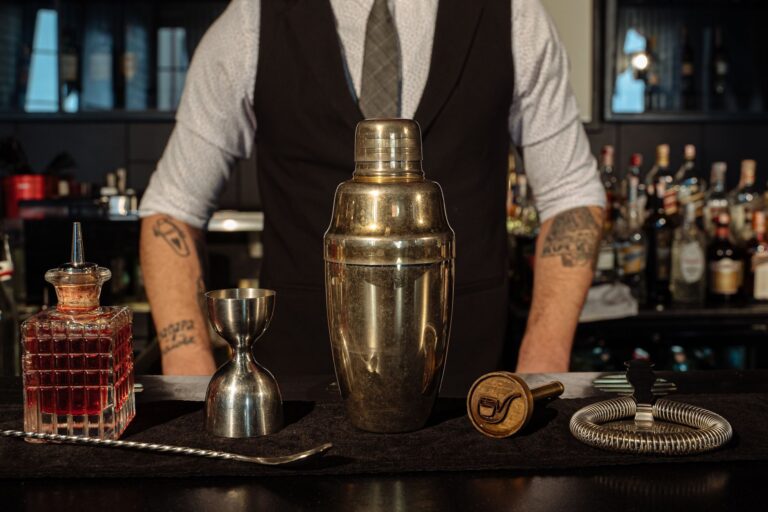
- Earnmore 30/60 ml jigger — dual cup with intermediate lines.
- BarBits tin-on-tin shaker — 18 oz + 28 oz.
- Homestia Hawthorne strainer — spring strainer for the tin.
- Urban Bar 30 cm spoon — for stirring.
- Ankway 5 cm ice trays — large cubes for rocks drinks.
Full comparison criteria, dimensions and sources are in the Best Bar Tools post.
Glassware and ice (affiliate links)
A few solid rocks glasses and large ice cubes make a bigger difference than a second shaker. These are practical options currently available on Amazon UK:
- Set of 6 rocks glasses (approx 300–350 ml) — heavy base, suitable for Old Fashioned and Negroni over a large cube. Check current size and dishwasher rating on the page.
- Argon Tableware Traditional Hiball Glasses (set of 6, 360 ml) — clear, dishwasher-safe highballs for G&Ts, highballs and Collins drinks.
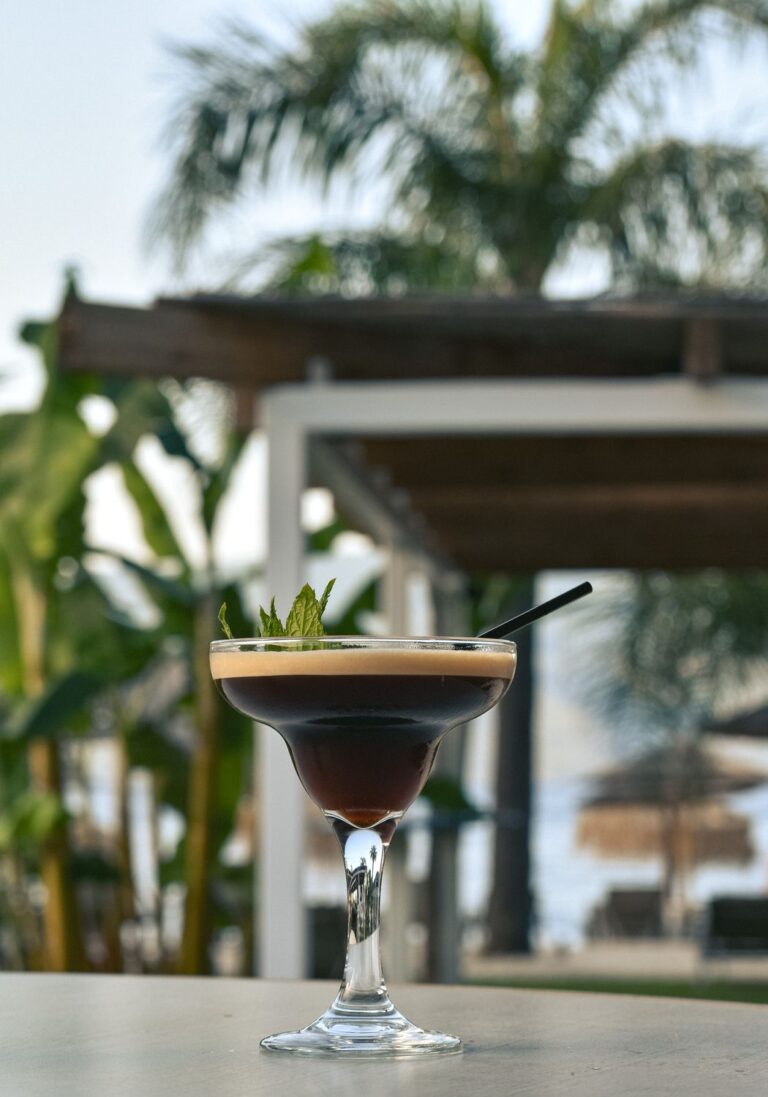
- LAV Misket coupe glasses (set of 6, 235 ml) — classic coupe shape for Daiquiris, Espresso Martinis and other up drinks. Stem keeps the drink cold.
- Ankway large cube trays — 5 cm cubes that melt slowly. Make them the day before.
- Death & Co: Modern Classic Cocktails — reference book with hundreds of recipes and technique notes if you want to expand beyond the classics on this site.
Glassware and ice are listed separately because the tools guide focuses on measuring and shaking equipment. These complete the setup for serving. Start with rocks glasses and one good ice tray; add highballs and coupes when you make more of those drinks.
Example carts
Beginner cart (one shelf or small trolley)
- Top: jigger, shaker, strainer, bar spoon, peeler in one jug or tray.
- Middle: one 700 ml spirit you use most (gin, vodka, white rum or whiskey), simple syrup, bitters.
- Bottom or fridge: lemons, limes, ice trays.
This covers Daiquiri, Whiskey Sour, Margarita, highballs and simple stirred drinks once you add vermouth later.
Experienced cart (two or three tiers)
- Top tier: all tools within arm’s reach, plus a small tray for peels and bitters.
- Middle: spirits by category (clear / brown), vermouths, one amaro.
- Lower: syrups, larger ice trays, backup bottles.
Group by how often you reach for them, not by brand. Keep the jigger next to the bottles you pour most.
Small-space setups
- Wall shelf + tray: One floating shelf for bottles, a tray on the counter for tools. Fits a studio or narrow kitchen.
- Rolling trolley: A two-tier trolley that slides under a counter or into a cupboard when not in use.
- Cabinet door organiser: Hang a small organiser inside a cupboard door for jiggers and strainers. Bottles stay on a lower shelf.
- Fridge door: Citrus and vermouth live here. The cart only holds spirits and tools.
The goal is the same: tools and the bottles you use most should be reachable without opening a second cupboard.
Storage advice
- Keep vermouth and other fortified wines in the fridge after opening. They oxidise.
- Simple syrup lasts up to two weeks in the fridge. Label the date.
- Juice citrus the day you use it. It loses brightness overnight.
- Store tools together in one container so they do not migrate across the kitchen.
- Large ice trays need flat freezer space. Stack only if the trays are designed for it.
- Keep bitters upright. They are high-proof and stable, but the droppers clog if stored on their side.
Arrangement tips
- Tools at the front or on the top shelf. Bottles behind or below.
- Leave space for a mixing glass and a tin side by side.
- Do not stack bottles on top of each other. Stability and access matter more than density.
- If you host, clear the top surface before guests arrive so the cart is usable rather than decorative.
Common mistakes
- Buying a second shaker before you have a jigger and a strainer.
- Leaving vermouth at room temperature after opening.
- Storing tools in a different room from the bottles.
- Filling the cart with decorative bottles you never open.
These are full-strength serves for adults of legal drinking age. One is a drink, not a starter. If you are driving, pregnant, or on medication, skip the alcohol. Recipes are in the Recipe Index.