Garnish Goals: Instagram-Ready Party Tricks
A garnish earns its place when it changes the aroma of the first sip. The rest is furniture. A dehydrated wheel, a skewer of fruit, a spray of herbs that never gets near your nose: those can look busy in a photograph and still leave the drink exactly as weak as it was. A pretty drink that tastes weak is still weak. I would rather a plain glass with the right volumes and one peel, properly pinched, than a still life sitting on a badly measured sour.
Oil, not a still life
Citrus peel is the garnish I trust. Cut a coin or a short strip with a sharp peeler, taking the coloured skin and as little white pith as you can. Pith is bitter in a dull way. Hold the peel skin-side down over the finished drink, between finger and thumb, and pinch. You should see a fine mist if the light is right, and you should smell orange or lemon immediately. That oil is the point. Rubbing the peel around the rim spreads it further. Dropping a thick wedge in and hoping is not the same move.
A dehydrated wheel is optional and mostly looks. It will not give you that mist. If you like the way it sits on the rim, use it as well as a fresh peel, not instead of one, and do not pretend the dried fruit flavoured the drink. It flavoured the photograph. An old dehydrated wheel also tastes of the cupboard. Make them in a batch if you must, keep them dry, and throw out the ones that smell stale.
Herbs get a slap, not a burial. One sprig of mint, clapped between your palms so the oil wakes up, then stood in the glass where the nose meets it. Six sprigs are a salad and they wilt into bitterness. A single cocktail cherry belongs in an old fashioned if you want sweetness and colour. Three cherries, an orange wheel and a mint sprig is a fruit salad with a drink underneath, and the drink is usually hiding.
Salt on half the rim
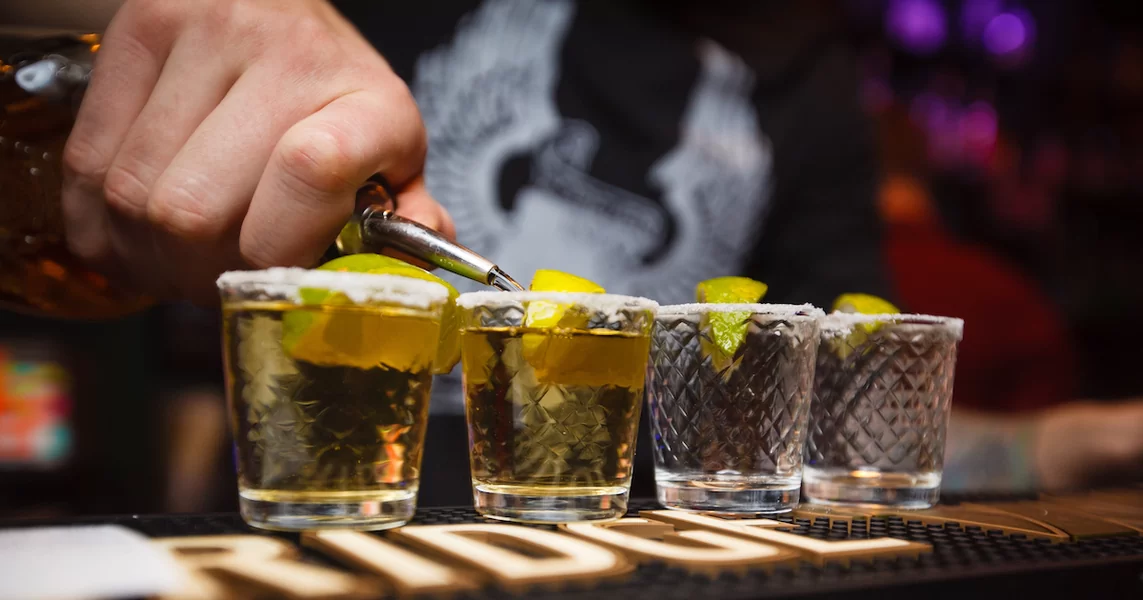
Salt rims are a garnish with a real effect, which is why they go wrong so easily. Salt only half the rim. Wet that half with a cut citrus, dip it, and leave the other half bare. Each sip can then be salted or not. A full rim makes every mouthful salty and pushes the spirit into the background, which is a strange choice if you paid for a decent tequila. Use a fine salt, not a wet clump, and do not salt the glass an hour ahead. It weeps and the rim looks tired before anyone arrives.
Three drinks, three garnishes
A Negroni gets an orange peel and nothing else. Stir 30 ml gin, 30 ml sweet vermouth and 30 ml Campari, strain over a large cube, and express the orange skin across the surface. The oil makes the bitter smell briefly sweet, which is the whole conversation between orange and Campari. An orange wheel on the edge adds weight and not much smell. I skip it unless someone is eating the fruit, which they are not.
A gin sour gets lemon, and it gets the juice in the drink first: 60 ml gin, 25 ml lemon, 15 ml simple syrup, shaken. The garnish is a lemon peel expressed over the foam, not a replacement for the 25 ml you forgot. A thin wheel on the rim is a look. The peel is the smell. If the sour is pale and sharp because the spec was wrong, a beautiful twist will not apologise for it. Fix the jigger, then pinch the peel.
A martini gets one choice. A lemon twist, expressed and often discarded so the oil is on the drink and the pith is not soaking in it. Or an olive, if the drink is meant to be savoury. Not both, unless you have a reason you can say out loud. A twist and an olive and a pickled onion is a buffet. I express the lemon, rub the rim once, and get out of the way. The martini is already a strong, clear drink. It does not need a costume.
The drink still has to stand up
I set the garnish after I taste, not before. If the balance is off, I do not reach for a fancier peel to distract from it. Guests smell the oil and then they taste the liquid. The gap between those two seconds is where a weak drink gets found out. Measure the liquid as if the glass were plain, then add the one garnish that talks to it. If the lines on the jigger are still a guess, nail your measurements before you buy a dehydrator.
One peel, or one slapped sprig, or half a salt rim, or one cherry. Then stop. The photograph can survive a plain glass. The drink cannot survive being a prop.
These are full-strength serves for adults of legal drinking age. One is a drink, not a starter. If you are driving, pregnant, or on medication, skip the alcohol.
A rye old fashioned where the peel is doing actual work
The Negroni, the gin sour, and the martini above are three different jobs for a garnish. This one is the job I use to teach the peel, because there is nowhere to hide. A rye old fashioned has no juice, no foam, and no sprig. If the orange oil is missing, the drink is just whiskey, a little sugar, and bitters, and it will taste narrower than it should. If the oil is there, the first smell is orange and the first sip is drier and rounder than the same liquid without it. That is the test. You should be able to smell the difference with your eyes shut.
The drink
- 60 ml rye whiskey
- 5 ml demerara syrup, 1:1
- 2 dashes Angostura bitters
- 1 orange peel, expressed, then dropped in or discarded
Stir the rye, syrup, and bitters with ice until the mixing glass is properly cold, then strain over a large cube. Cut the peel after the drink is in the glass, not twenty minutes earlier. A coin about the size of a bottle cap is enough. Take the coloured skin and as little white as you can. Hold it skin-side down, a few centimetres above the surface, and pinch hard. You are looking for a mist, and you should smell orange immediately. Rub the peel once around the rim if you want the oil on the lip of the glass as well. Then decide. I usually drop the peel in. If the pith on your peel is thick, discard it, because the oil is already on the drink and the pith will only sit there turning the next sip bitter.
Five millilitres of syrup is the whole sweetener. A heavy-handed squeeze from the bottle, or a sugar cube you did not dissolve, and you no longer know what the orange is sitting on. Taste before you pinch the peel. If the balance is wrong, fix the liquid. A beautiful twist on a too-sweet old fashioned is a costume, which is the whole argument of this page.
What the oil is, and what a wheel is not
The mist is citrus oil from the skin. It is not juice, and it is not the fruit. A fresh wheel on the rim looks like orange and gives you almost none of that smell unless someone squeezes it, which bends the spec. A dehydrated wheel gives you even less. It can sit beside the fresh peel if you like the photograph. It does not replace the pinch. If your fresh orange is soft, dull, or refrigerated until the skin is dry, you will pinch and get nothing. Buy a firm orange, or use a lemon and say you used a lemon. Lemon oil is sharper and reads as cleaner over rye. Orange oil is rounder and sits closer to the demerara. Both are legitimate. Using neither, and parking a dried wheel on the rim, is the garnish that changes the picture and not the drink.
What goes wrong
Pith is the first fault. A peeler dug deep gives you white membrane. That bitterness is dull and it sticks to the rim, so every sip starts wrong. Cut shallower. If you only have a knife, take a strip and then scrape the white off with the blade before you pinch.
Salt is the second, and it does not belong on this drink at all. I am saying it here because the half-rim rule from above gets forgotten once a theme takes over. A full salt rim on a spirit-forward glass makes every mouthful salty and pushes the 60 ml into the background. If you are salting a different drink, salt half the rim, with fine salt, at the moment you serve. Do not salt this old fashioned because the photograph looked bare.
The third fault is garnishing first. People build a still life, then pour around it, then discover the drink is out of balance and the peel has been sitting in the warm air. Stir, strain, taste, then pinch. One peel. The cube does not need a cherry, a second peel, and a sprig of rosemary that never meets anyone’s nose. Rosemary in particular is a smell that takes over a room and says nothing about the rye. If you want an herb, go back to the slapped mint and a drink that asked for it.
Measure as if the glass were plain. Then add the oil. If the jigger is still a guess, the peel cannot apologise for it. One drink, one pinch, and stop before the rim becomes a fruit bowl.